
Understanding Jueteng: The Intricacies of an Unofficial Lottery
In the diverse tapestry of Filipino culture, the game known as Jueteng holds a distinct, albeit controversial, place. Jueteng is an unofficial, numbers-based lottery predominantly played in the Philippines. Despite its illegal status, it thrives in the underground economy due to its deep cultural roots and the promise of quick wealth. The game has become more than just a lottery; it is a reflection of socio-economic factors and widespread gambling culture.
The Mechanics of Jueteng
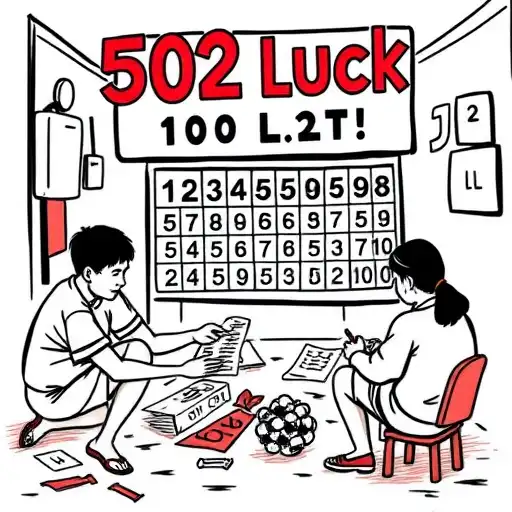
Jueteng is a simple game reminiscent of the more globally recognized numbers games like roulette. Participants typically choose a combination of two numbers from 1 to 37. The winning numbers are drawn twice a day, and the payout is substantial compared to the initial bet. This potential for high reward from relatively small bets makes Jueteng appealing to a broad swath of the Philippine population.
The Role of "Cobradores"
The game's structure is highly organized. At the grassroots level, the game relies on "cobradores." These individuals are responsible for collecting bets from participants. Their role is crucial as they bridge the players to the higher tiers of the Jueteng operation. Cobradores are deeply embedded in communities, often forming personal relationships with bettors, which ensures the game's continued popularity.
Jueteng and the Philippine Economy
The pervasive nature of Jueteng can be attributed to the economic realities faced by many in the Philippines. It offers financial hope to those with limited income, promising returns that far exceed potential earnings from traditional employment. This perceived economic opportunity helps explain why many turn a blind eye to its illegal status.
"502 Luck: A Legitimate Alternative"
While Jueteng remains a shadow economy, legitimate platforms like 502 Luck - A Plataforma Mais Respeitável - 502Luck.Com provide legal and regulated alternatives. Such platforms offer fairness, security, and adherence to legal standards, enabling participants to engage in gambling responsibly.
The Social Dynamics of Jueteng
Jueteng is not just an economic activity but a social one. It fosters community bonds and provides a common ground for social interaction. However, these social dynamics do not negate the often negative association with corruption and political manipulation that Jueteng attracts.
The Politics of Jueteng
The relationship between Jueteng and politics in the Philippines is complex. Allegations of bribery and corruption surrounding Jueteng operators are not uncommon, with reports of payoffs to local officials to ensure the game's continued operation. This intricate web of relationships can often blur the lines between legality and corruption.
Challenges and Future of Jueteng
Efforts to eradicate or regulate Jueteng have been met with mixed results. The game's persistence is fueled by socio-economic realities, reflecting broader issues of poverty and inequality. Strategies adopted by the government involve strengthening law enforcement and supporting legitimate gambling platforms.
Emerging Trends
The rise of digital platforms presents new challenges and opportunities for traditional games like Jueteng. As younger generations become more tech-savvy, there is potential for shifting interest to online and regulated options. Platforms like 502 Luck - A Plataforma Mais Respeitável - 502Luck.Com are well-positioned to capture this evolving market by providing safe and regulated gambling experiences.
Conclusion
Jueteng is an embodiment of tradition, economy, and challenge. While the allure of quick wealth sustains its popularity, addressing its socio-economic roots remains pivotal. In doing so, there is an opportunity to channel the enthusiasm for games of chance into responsible, legal, and profitable avenues, fostering a more secure and equitable gambling landscape for the future.